
Few medieval kitchens endure as they were "infamously ephemeral structures". An extant example of such a medieval kitchen with servants' staircase is at Muchalls Castle in Scotland. In Japanese houses, the cooking area began to become a different room within the primary building at that time. With the advent of the chimney, the hearth moved from the center of the room to one wall, and the very first brick-and-mortar hearths were developed.
Pots made from iron, bronze, or copper started to replace the pottery used previously. The temperature level was managed by hanging the pot greater or lower over the fire, or positioning it on a trivet or directly on the hot ashes. Using open fire for cooking (and heating) was dangerous; fires devastating entire cities occurred regularly.

This sort of system was widely used in wealthier houses. Beginning in the late Middle Ages, kitchen areas in Europe lost their home-heating function even more and were increasingly moved from the living location into a separate space. The living-room was now heated by cocklestoves, run from the kitchen area, which used the huge benefit of not filling the space with smoke.
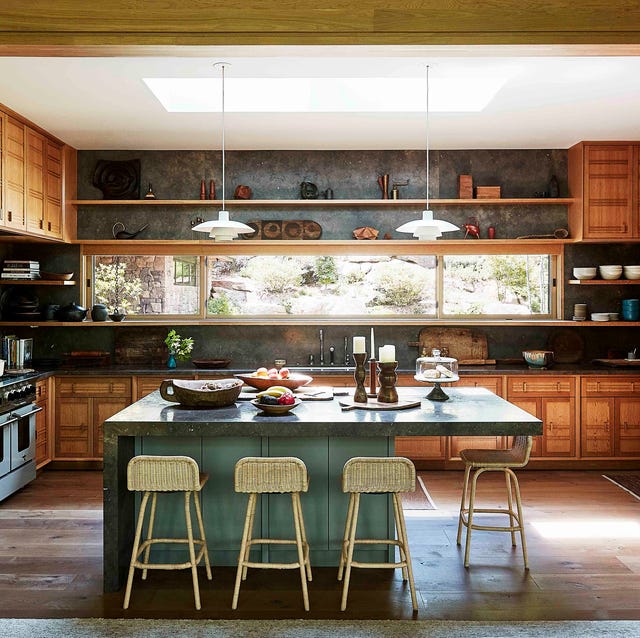
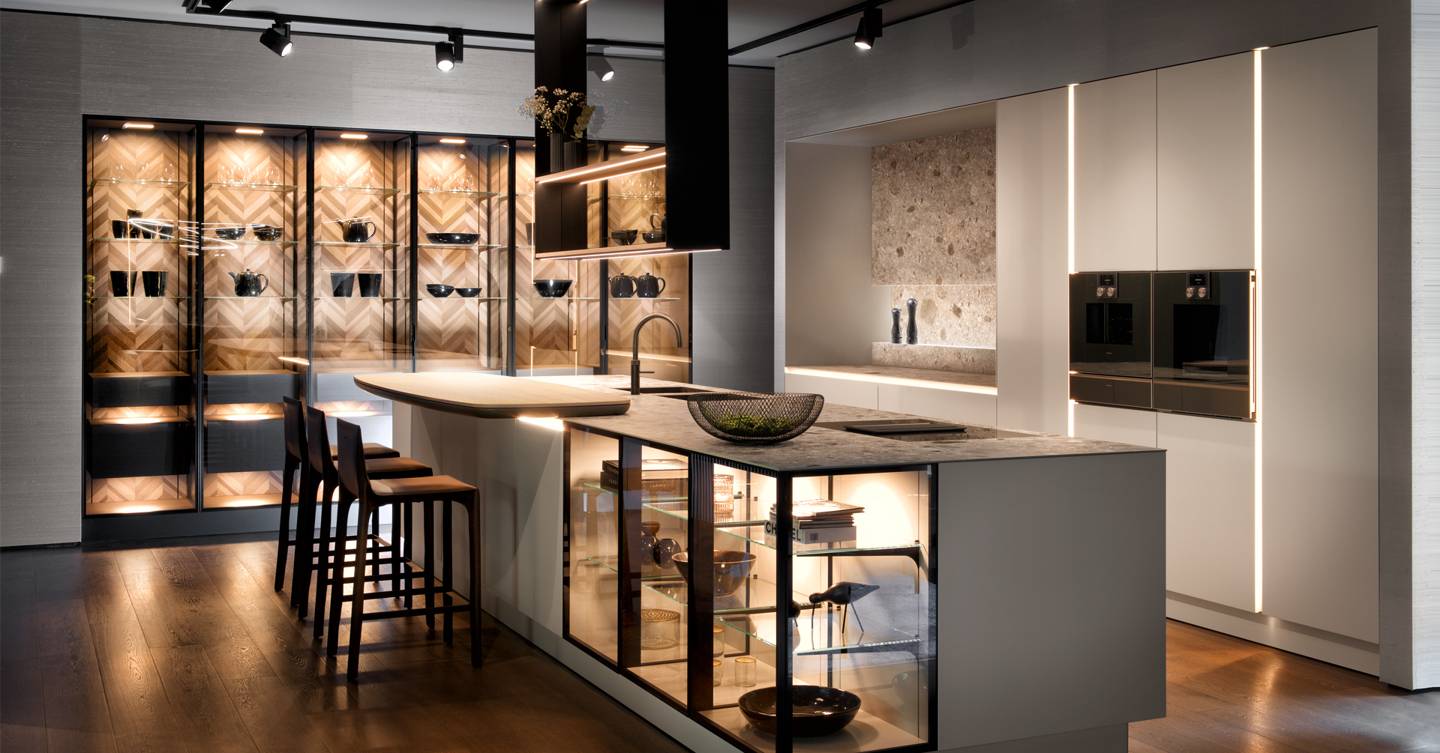
In the upper classes, cooking and the kitchen were the domain of the servants, and the cooking area was distinguished from the living spaces, often even far from the dining-room. Poorer houses often did not yet have a separate cooking area; they kept the one-room arrangement where all activities took place, or at the most had the kitchen area in the entrance hall.
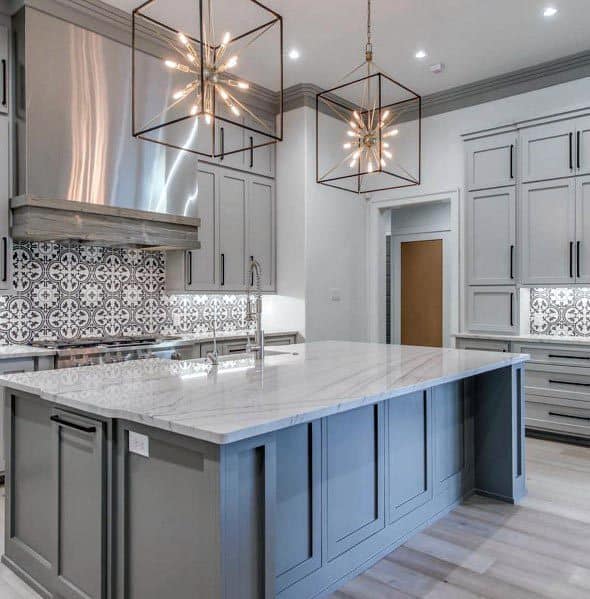
In a couple of European farmhouses, the smoke cooking area remained in regular usage up until the middle of the 20th century. These homes typically had no chimney, but just a smoke hood above the fireplace, made from wood and covered with clay, used to smoke meat. The smoke increased more or less easily, warming the upstairs spaces and securing the woodwork from vermin.
One early record of a kitchen area is found in the 1648 stock of the estate of a John Porter of Windsor, Connecticut. The inventory lists items in your house "over the kittchin" and "in the kittchin". The products listed in the kitchen area were: silver spoons, pewter, brass, iron, arms, ammunition, hemp, flax and "other carries out about the room".
 0
0  Star
Star